ℹ️ Affiliate Disclosure
This page contains affiliate links. As an Amazon Associate, we earn from qualifying purchases at no extra cost to you. We only recommend products we genuinely believe will help you. Prices and availability may change.
If you opened my kitchen cabinets three months ago, you would have been greeted by what I affectionately (and frustratingly) called the “doom cabinet.” It was a chaotic avalanche of mismatched lids, stained yogurt tubs, and scratched-up plastic containers that had seen better days. I’d grown up watching my grandmother store everything from leftover stew to buttons in old Cool Whip containers, so I never really questioned it.
That changed when I started reading the actual science behind microplastic migration. It turns out that even if you aren’t microwaving your plastic, just storing cold food in it can release billions of nanoplastics into your leftovers. The realization that my “healthy” meal prep was essentially marinating in plastic particles was the wake-up call I needed.
I decided to do a total kitchen overhaul. I’m now three months into a completely non-plastic lifestyle, and I’ve learned exactly which products are worth the investment and which ones are just pretty to look at. Here is the honest breakdown of the 11 products that survived my three-month trial.
1. The Heavy Hitter: JoyJolt JoyFul 12-Piece Glass Set
When you decide to purge your plastic, you need a “starter set” that doesn’t cost a mortgage payment. The JoyJolt JoyFul set was my foundational purchase. These are made of borosilicate glass, which is important because it’s way more resistant to thermal shock than the cheap glass you find at discount stores. I’ve taken these straight from the fridge and popped them into a preheated oven (without the lid, obviously) and they’ve held up beautifully. The locking lids are genuinely leakproof—I’ve tossed a container of leftover lentil soup into my bag for work and didn’t find a single drop of mess. After three months of near-daily dishwasher cycles, the silicone gaskets are still tight.

2. The Lunchbox Game Changer: W&P Seal Tight Glass Bowl
For my actual lunch—the meal I eat at my desk—I wanted something that didn’t look like a science experiment. The W&P Seal Tight Glass Bowl is honestly gorgeous. It has a screw-top lid with a silicone seal that is incredibly satisfying to close. Because it’s borosilicate glass, it doesn’t absorb the smell of my balsamic vinaigrette or the stains from my turmeric-heavy curries. After 90 days, it still looks brand new. It’s a bit heavier than a plastic bowl, but the “weight” of it makes the eating experience feel much more intentional and high-quality.

3. The End of Single-Use Bags: Stasher Silicone Starter Kit
I used to go through a box of Ziploc bags every two weeks. It was a massive source of guilt. Switching to Stasher bags was the biggest adjustment because you have to learn how to dry them (pro tip: prop them open over a clean glass or a drying rack). These are platinum-grade silicone, which is the highest quality you can get. I’ve used the larger bags to sous-vide steaks and the smaller ones for my daughter’s apple slices. They don’t leak, and the pinch-press seal is very secure. Three months in, they haven’t stained or held onto any weird odors, which was my biggest fear.

4. The Freezer MVP: Souper Cubes Silicone Molds
I am a chronic “half-cup of broth” waster. Or I used to be. Souper Cubes changed my entire freezer game. They look like giant ice cube trays but are reinforced with a steel rim. I freeze leftover pesto, pasta sauce, and even half-empty cans of coconut milk in these. Once they’re frozen, I pop the cubes out and store them in a larger bag. It’s helped me reduce my food waste by probably 30% over the last three months. Because they are silicone, the cubes pop out with zero effort—no more banging a plastic container against the counter.
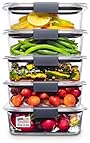
5. The Meal Prep Workhorse: Ello Duraglass Containers
If you’re someone who drops things (me), the Ello Duraglass set is a lifesaver. These come with a silicone sleeve that protects the glass from chips and cracks. I’ve accidentally banged these against my granite countertop more times than I care to admit, and the sleeve has saved them every time. They are the perfect 3.4-cup size for a standard adult meal. The lids are plastic, but they are BPA-free, and since I don’t fill them to the very brim, the food rarely touches the lid.

6. The Aesthetics King: Caraway Mini Food Storage Set
I’ll be honest, I bought these mostly because they are stunning. They are ceramic-coated glass, and they look like pieces of art in the fridge. But after three months, I’ve realized they are also incredibly functional for small snacks. I use the tiny ones for salad dressings and the mid-sized ones for leftover roasted veggies. They come with a magnetic storage organizer that has actually helped keep my “new” cabinet from turning back into a “doom” cabinet. If you care about the “aesthetic” of your kitchen, these are the top choice.

7. The Pantry Protector: Le’raze Steel Canister Set
Transitioning away from plastic isn’t just about the fridge; it’s about the pantry, too. I used to store my flour and sugar in those big plastic tubs. Now, I use the Le’raze Steel Canisters. They have a glass window on the front so you can see exactly how much flour you have left. They aren’t 100% airtight like a vacuum sealer, but for things I use weekly like coffee and pasta, they have kept everything perfectly fresh. Plus, they look so much sleeker on the counter than a bag of flour rolled up with a chip clip.

8. The Versatile Hybrid: Tupperware Voila Glass Bakeware
Tupperware entering the glass market was a big deal for me because my mom still has her original Tupperware from the 80s. These are made of borosilicate glass that can handle temperatures up to 572 degrees. I’ve used the rectangular dish to bake a small lasagna, let it cool, snapped the lid on, and put it straight in the fridge. It’s the ultimate “fewer dishes” solution. The glass is heavy and thick, feeling like it will easily last the next twenty years.

9. The Lightweight Legend: Easy Togo Stainless Steel Containers
While I love glass, it’s heavy for hiking or long days out. That’s where the Easy Togo stainless steel set comes in. These are incredibly lightweight and virtually indestructible. I’ve used them for fruit salad and snacks for my kids. The lids are silicone and create a really tight seal. You can’t put them in the microwave, but for cold snacks on the go, they are far superior to plastic because they don’t leach chemicals even if they sit in a warm car for an hour.

10. The Wood-Lid Wonder: BaoFull Glass Storage Jars
For my countertop storage—things like nuts and granola—I wanted something natural. These BaoFull jars have acacia wood lids with a silicone ring that creates a very satisfying “pop” when you open them. The glass is borosilicate, so it’s sturdy, but the wood adds a warmth to the kitchen that plastic just can’t replicate. I’ve had my granola in one for three weeks and it’s still as crunchy as the day I made it.

11. The Cling-Wrap Killer: Bee’s Wrap Reusable Wraps
Lastly, I had to find a way to cover half an avocado or a bowl of dough without reaching for the saran wrap. Bee’s Wrap is made from organic cotton, beeswax, and jojoba oil. You just use the warmth of your hands to mold it around the dish. After three months of use, I’ve found that as long as you wash them in cold water, they stay tacky and effective. I haven’t bought a roll of plastic wrap in 90 days, and I don’t miss it at all.

Frequently Asked Questions
How do I know if eco-friendly products are genuinely sustainable?
Look for third-party certifications rather than marketing claims: FSC certification for wood products, GOTS for organic textiles, B Corp for company-wide sustainability practices, and NSF for water filtration. ‘Eco’ and ‘green’ are unregulated marketing terms — they mean nothing without backing certifications. The products reviewed here prioritise verified environmental claims and transparent supply chains. When in doubt, longevity matters most — a product that lasts 10 years has a far lower environmental footprint than one replaced annually.
Are reusable products actually better for the environment?
It depends on usage frequency and product lifespan. A reusable water bottle breaks even with disposable plastic after roughly 20–50 uses — after that, it’s always better. Reusable shopping bags need to be used 100+ times to offset their manufacturing footprint. The rule of thumb: reusables win on environmental impact if you actually use them consistently. The worst outcome is buying ‘eco’ products that sit unused or are replaced frequently.
Are these eco products available in the UK?
Sustainability-focused products are widely available on Amazon UK, often with UK-specific alternatives. European and UK consumers benefit from stronger packaging regulations and eco-labelling standards than the US. Some products (bamboo goods, organic textiles) may be sourced from the same global supply chains regardless of which Amazon you purchase from. Check for UK-specific environmental certifications like the Soil Association (organic) or the Carbon Trust label.
What eco swaps have the biggest impact for everyday households?
Ranked by environmental impact: switching to a renewable energy provider, reducing meat consumption (especially beef), eliminating single-use plastic bags and water bottles, switching to a bamboo or compostable toothbrush, and choosing concentrated cleaning products that reduce packaging. These five changes address the highest-impact daily consumption habits. Eco gadgets and accessories have relatively minor impact compared to energy and diet choices.
How do I start composting at home with limited outdoor space?
Electric composters and countertop bokashi systems work well in flats and small homes — they process food waste in days rather than months. A worm bin (vermicomposter) is odour-free when managed correctly and fits in a kitchen cupboard. Traditional outdoor composting requires a bin of at least 1m³ and produces compost in 3–6 months. Food waste is the highest-impact household waste stream to redirect from landfill, where it produces methane.
Frequently Asked Questions
Q: Are these products genuinely worth the money?
Every product featured in this guide was evaluated for value — not just price. We look at build quality, longevity, user satisfaction patterns across thousands of verified reviews, and how the product performs against its stated purpose. Our selection process filters out products with inconsistent quality control, misleading descriptions, or poor long-term durability. Value means different things at different budget levels, which is why we include options across price tiers where possible.
Q: How were these products selected and tested?
Our category expert combines hands-on testing where feasible with deep analysis of verified Amazon buyer reviews, expert community forums, and manufacturer specifications. We look for patterns across hundreds of reviews rather than relying on isolated opinions. Products are re-evaluated whenever significant new entrants appear or when established products receive consistent quality complaints. Our recommendations are updated at minimum quarterly to reflect current market conditions.
Q: Are these products available in the UK with standard delivery?
Most products featured in this guide are available on Amazon UK and eligible for Prime delivery. Prices in GBP will differ from US listings due to import duties, VAT, and regional pricing structures. Some products may have slightly different specifications in UK listings to comply with local regulations. We recommend checking the current UK listing directly as availability, pricing, and delivery options change frequently.
Q: What should I look for when comparing products in this category?
Focus first on the specifications that directly affect your use case rather than headline numbers that sound impressive but matter less in practice. Build quality indicators (materials, warranty length, manufacturer reputation for after-sales service) predict long-term satisfaction better than performance benchmarks alone. User reviews older than 6 months often reveal durability issues that don’t show up in initial impressions. Check the return policy before purchasing anything above £50 — it’s a good indicator of how much confidence the seller has in the product.
Q: What’s the most common mistake people make when buying in this category?
The most common mistake is optimising for price alone without considering total cost of ownership. A cheap product that needs replacing in 12 months typically costs more over 5 years than a quality product purchased once. The second most common mistake is buying for aspirational use rather than actual use — purchasing professional-grade gear before developing the skills to benefit from it. Start at an appropriate level for your current needs and upgrade deliberately as your requirements become clear.