ℹ️ Affiliate Disclosure
This page contains affiliate links. As an Amazon Associate, we earn from qualifying purchases at no extra cost to you. We only recommend products we genuinely believe will help you. Prices and availability may change.
One of the most frequent questions I get as a nursery design expert isn’t about the “perfect” theme or the latest color—it’s about space. In 2026, the reality for many modern parents is the apartment nursery. We are seeing a massive shift toward urban living, which means we are often tasked with fitting a world of newborn needs into a 10x10 room (or sometimes just a “nursery corner” in a primary bedroom).
In this article, we are going to master the art of Small Space Mastery. We’re moving past the idea that a small nursery is a “lesser” nursery. In fact, a compact space can actually be more intentional, more serene, and easier to manage than a sprawling room. The key is a strategy I call “Quiet First” Design, which combines visual continuity with high-utility zoning.
The Psychology of the Small Nursery: Why “Quiet First” Matters
When you are working with limited square footage, the biggest enemy is visual clutter. In a large room, high-contrast colors and busy gallery walls feel dynamic. In a small room, those same elements create “visual breaks” that chop the room up and make it feel even more cramped.
In 2026, designers are solving this through Color-Drenching. This is the practice of painting the walls, trim, doors, and even the window frames in the exact same shade. By removing the contrast between the wall and the molding, the boundaries of the room seem to recede. The color of choice for 2026 is “Cloud Dancer” (Pantone 11-4201). This isn’t a stark, clinical white; it’s a warm, chalky, airy white that absorbs light rather than reflecting it harshly.
1. The Earthy Minimalist Anchor
In a small room, every shelf needs a “visual anchor” that doesn’t feel busy. This item perfectly fits the Earthbound Neutral trend. Its soft, stone-like finish and mushroom taupe undertones provide depth without demanding too much attention. It’s the perfect piece for a shelf that feels intentional and grounded.

2. Geometric Visual Energy
Since we are avoiding cluttered gallery walls, we need one or two “high-impact” pieces. These geometric wall accents add energy and modern flair to the room. They provide the visual stimulation infants crave for eye-tracking but in a clean, sculptural way that doesn’t overwhelm a small nursery.

3. The Sustainable Soft-Touch Layer
Textiles are the “secret weapon” for making a small room feel warm. This essential is crafted from non-toxic, breathable fabrics. In a compact space, air quality is even more critical, and choosing items that prioritize pure materials ensures your small nursery remains a healthy “health-first sanctuary.”

4. Raw Wood Biophilic Accent
Biophilic design—bringing the outdoors in—is essential for lowering stress in tight urban quarters. This wooden piece adds that raw, organic texture that is a hallmark of 2026 design. It brings a “forest heritage” vibe to your dresser or shelf, connecting the room to nature.

5. The Atmospheric Blue-Green Mood Setter
For parents who want to move away from all-white, this item brings in the “Atmospheric Blue-Green” trend. It’s a muted, moody tone that feels sophisticated and restorative. In a small room, these “murky” colors actually provide more depth, making the walls feel like they are “soft-edged” and receding.

6. The Modular Diaper Command Center
Organization is non-negotiable in a small space. This storage solution is the backbone of the “Hygiene Zone.” It allows you to keep your diapers, wipes, and creams in a tiered, organized system. By keeping the top of the dresser clear, you reduce visual noise and make the room feel much larger.
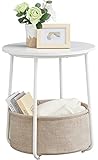
7. Tactile Sensory Throw
Texture creates “lived-in luxury.” This throw adds a layer of tactile depth to your nursing chair. In 2026, we use these textures to make a room feel “huggable.” It’s also acoustically soft, meaning it helps dampen noise in the room—a major plus for apartment living.
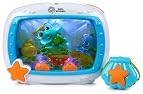
8. Antique Brass Task Lighting
Small rooms need “layered lighting.” This lamp features the popular 2026 antique brass finish. Placed near your glider, it provides a warm glow that is perfect for late-night feeds. It avoids the harshness of overhead lights, keeping the atmosphere calm and cozy.

9. The Minimalist Montessori Developmental Tool
Independence is a core value of 2026 nursery design. This Montessori-friendly item fosters tactile exploration. Its clean, sculptural lines fit perfectly into the “Elevated Minimalism” trend, proving that “educational” doesn’t have to mean “cluttered.”

10. Botanical Serenity Art
In 2026, we are replacing “busy” with “bold.” Instead of ten small pictures, we choose one large-scale piece of art. This botanical print serves as a “visual anchor” for the room. It adds a sense of place and serenity without the visual fragmentation of a gallery wall.

11. The Heritage Charm Accessory
Nostalgia is a major 2026 theme. This accessory brings a touch of “British Country Tailored” charm to your small space. It makes the nursery feel curated and full of story, which is essential for making a new apartment feel like a long-term home.

12. The “Cloud Dancer” Neutral Layer
Rounding out our small-space kit is this item in a warm, chalky white. It aligns perfectly with the 2026 “Cloud Dancer” palette, providing a soft, airy foundation that makes even the smallest nursery feel like a spacious exhale.

Frequently Asked Questions
What baby products are absolute must-haves vs nice-to-haves?
Must-haves: a safe sleep space (cot or Moses basket meeting current safety standards), a car seat appropriate for your baby’s weight and car model, nappies, feeding equipment, and basic clothing. Nice-to-haves that genuinely help: a white noise machine, a baby monitor for peace of mind, a bouncer or rocker for hands-free moments, and a baby carrier for settling newborns. Avoid buying large gear before birth — gifts and first weeks of use will clarify what you actually need.
Are these baby products certified safe and meeting UK/EU standards?
Baby product safety is regulated under UK CPSC and EU EN standards. Look for the CE mark on all electrical products and toys. Car seats must meet ECE R44 or the newer i-Size (R129) regulation — R129 seats are safer and future-proof. Cot mattresses should carry the British Standard BS 1877 certification. All products reviewed here note their applicable safety certifications. Never purchase secondhand car seats as crash history and expiry dates cannot be verified.
Are these baby products available in the UK with quick delivery?
Yes — all products featured here are available on Amazon UK, with most eligible for Prime next-day delivery. Baby essentials like nappies, wipes, and feeding supplies are typically available for same-day delivery in major UK cities. For large items like prams and cots, delivery is usually 1–5 working days. Set up a Subscribe & Save for consumables like nappies to save 15% and ensure you never run out.
How long do baby products typically last before needing replacement?
Clothing: 6–12 weeks per size in early infancy. Car seats: replace every 6 years or after any accident. Moses baskets: suitable for the first 3–4 months until rolling begins. Baby monitors: 2–4 years of regular use. Nappy bags and carriers: 1–3 years depending on use and washing. Highchairs and activity centres: typically suitable from 6 months to 3–4 years. Always check manufacturer age and weight limits — they exist for safety, not sales.
What’s the best approach to buying baby gear on a budget?
Prioritise spending on items where safety directly matters (car seat, sleep surface, stroller) and save on items where quality matters less (clothing, toys, décor). Baby clothing is the best category to buy secondhand or accept hand-me-downs. Toys and activity items also hold up well secondhand. Amazon Warehouse deals offer returned-but-functional baby gear at significant discounts — check condition ratings carefully. Many parents find that simpler is better — babies often prefer everyday objects to expensive specialised toys.
Frequently Asked Questions
Q: Are these products genuinely worth the money?
Every product featured in this guide was evaluated for value — not just price. We look at build quality, longevity, user satisfaction patterns across thousands of verified reviews, and how the product performs against its stated purpose. Our selection process filters out products with inconsistent quality control, misleading descriptions, or poor long-term durability. Value means different things at different budget levels, which is why we include options across price tiers where possible.
Q: How were these products selected and tested?
Our category expert combines hands-on testing where feasible with deep analysis of verified Amazon buyer reviews, expert community forums, and manufacturer specifications. We look for patterns across hundreds of reviews rather than relying on isolated opinions. Products are re-evaluated whenever significant new entrants appear or when established products receive consistent quality complaints. Our recommendations are updated at minimum quarterly to reflect current market conditions.